History of the Hokkaido breed
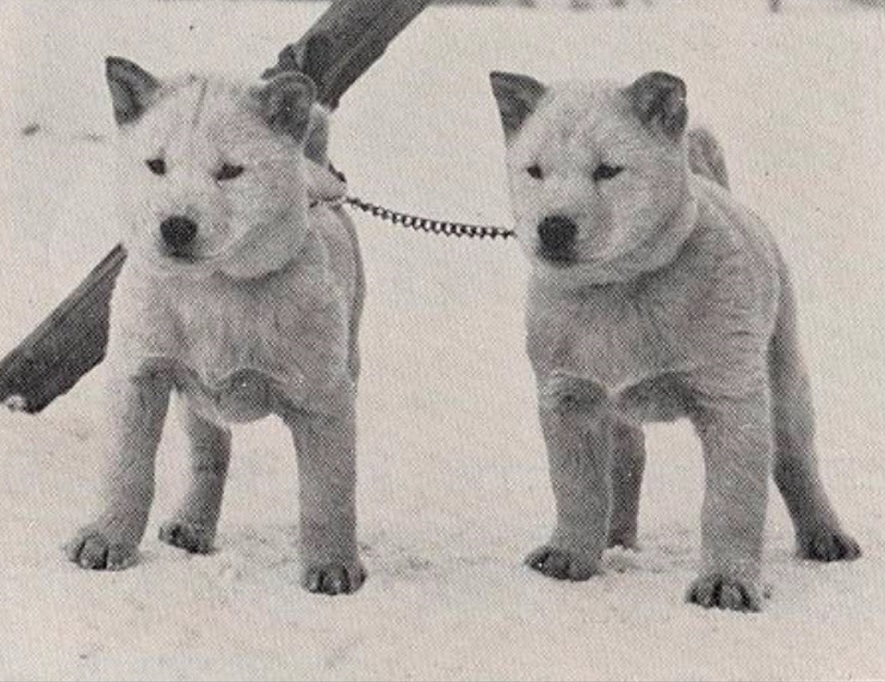
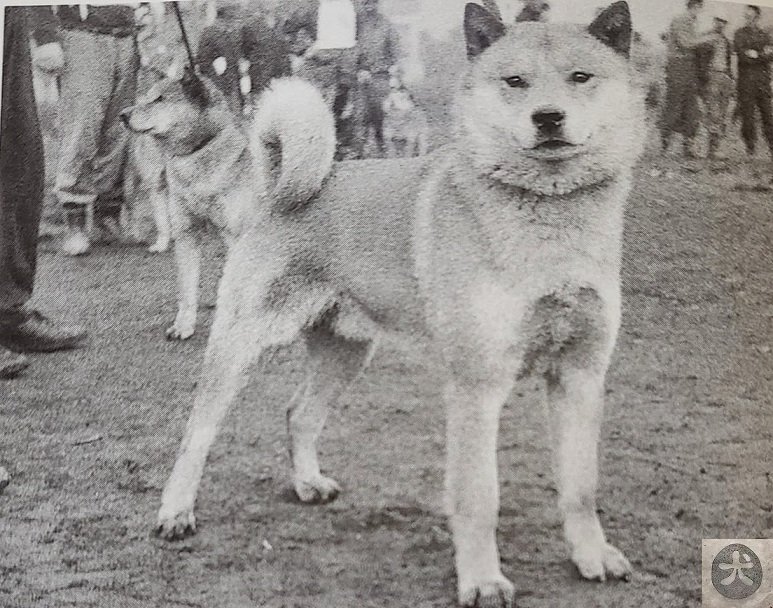
The Hokkaido dog, often referred to as the Japanese Ainu Dog or Ainu-ken is a unique and ancient breed native to Japan. With its rich history, the Hokkaido has played a significant role in Japanese culture and has been a trusted companion for many centuries. Here’s an in-depth look into the history of this fascinating breed:.
Origins of the Hokkaido Dog
The Hokkaido dog is named after Hokkaido, the second-largest island of Japan where it was originally bred. The breed has a long history, dating back over 3,000 years and its roots trace back to the Ainu people, the indigenous population of Hokkaido. The Ainu people used the dogs for a variety of purposes including hunting and guarding. These dogs were essential for survival, assisting the Ainu in hunting large game, such as bears and smaller animals like deer and hares in the harsh, snowy landscapes of the island.
The Hokkaido dog is thought to have descended from ancient Asian breeds brought to Japan by settlers, possibly even as early as the Jomon period (around 10,000 BCE). These early dogs are believed to have been crossbred with local Japanese dogs, developing the characteristics that define the Hokkaido breed today.
Role in Japanese History and Culture
The Hokkaido dog has long been an integral part of Japanese culture, particularly among the Ainu people. The breed was revered not only for its hunting skills but also for its loyalty and courage. The Ainu people often relied on Hokkaido dogs to assist them in hunting large animals like bears using their sharp senses to track and corner their prey. These dogs were trained to work in packs and were known for their ability to take down much larger animals.
In addition to hunting the Hokkaido dog was used to guard homes and villages, protecting their owners from wild animals and other threats. The breed’s loyalty and protective nature made it a highly valued companion for families in rural regions of Japan.
The Hokkaido dog is also closely tied to Japanese folklore and mythology. In some stories the dog is seen as a symbol of protection and strength and it is believed that these dogs had a spiritual connection with their owners. Over time, the Hokkaido dog became a cherished part of Japanese tradition and was often depicted in art, poetry, and stories.
Decline and Revival
As Japan modernized and urbanized the demand for working dogs like the Hokkaido gradually decreased. The breed’s numbers began to dwindle, especially as the practice of hunting large game became less common. By the early 20th century, the Hokkaido dog faced the risk of extinction.
However, efforts to preserve the breed were initiated and in 1937 the Hokkaido dog was officially recognized as a Japanese national treasure. The Japanese government implemented measures to protect and promote the breed which helped to stabilize its population. Today, the Hokkaido dog is considered a national symbol of Japan and is celebrated for its history and cultural significance.
The Hokkaido Dog Today
Today, the Hokkaido dog is in a very difficult situation regarding its population and the breed is now considered rare even in Japan, its country of origin. While it remains relatively rare outside of Japan, it is still kept as a companion animal in modern homes. The Hokkaido’s independent nature, intelligence, and loyalty make it an excellent pet for families who are familiar with the breed’s characteristics.
The breed is still highly regarded for its hunting instincts, alertness, and protectiveness, though it is not typically used for hunting today. Hokkaido dogs are generally good with children and can be excellent family pets, although they do require early socialization and consistent training to ensure they grow into well-behaved dogs. They thrive in environments where they have space to roam and are given plenty of mental and physical stimulation.
.